
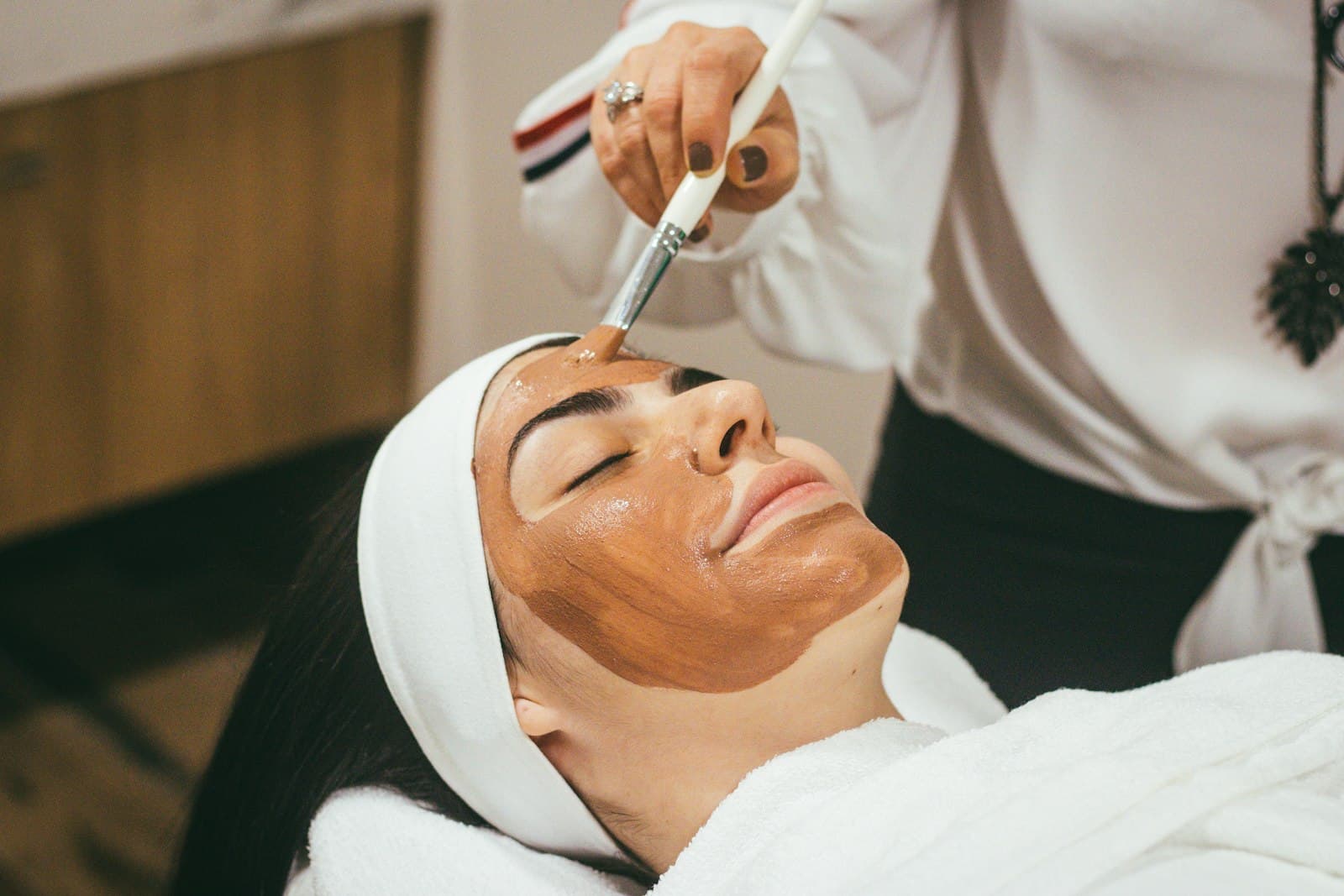
A long skincare menu is not a menu of good, better, best. It is a list of different problems, and picking the strongest one first is how people end up with irritated skin and no result.
The most expensive treatment on any skincare menu is not the one your skin needs most. It is the one that does the most — which is only an advantage if what your skin needs is more. Starting at the top is how people end up red, sensitised, and convinced that facials do not work for them.
Here is what the main treatments actually do, and the order that makes sense.
Start with the question, not the treatment
- Texture, fine lines, old acne scarring → micro needling, once your skin is calm.
- Dullness, peach fuzz, makeup sitting badly → dermaplaning.
- Congestion, blackheads, breakouts → a purifying or acne facial with real extractions.
- Redness, reactivity, rosacea → a sensitive skin facial. Nothing aggressive.
- Pigmentation and sun damage → glycolic or enzyme peels, in a course.
- Puffiness, post-procedure swelling, sluggish skin → lymphatic work.
Micro needling: the strongest, and the least urgent
Numbing cream, then fine needles create controlled micro-injuries in the dermis, which triggers collagen production and cell renewal. It improves tone, softens dark spots and reduces the look of wrinkles. Results show around two weeks later; skin generally looks normal again within forty-eight hours.
It is the most powerful thing on the menu and the one to do last, not first. Skin that is actively breaking out, inflamed or reactive needs calming before anyone perforates it.
Dermaplaning: the one that surprises people
A blade removes dead surface cells and vellus hair. It is not aggressive, there is no downtime, and it does two things at once: skin looks immediately brighter, and everything applied afterwards absorbs properly instead of sitting on a layer of dead cells.
It is the best first appointment for most people — including anyone nervous about facials — and it is the one to book a week before a wedding or a photograph, not the day before.
Peels: a course, not an event
Glycolic acid comes from fruit and sugar cane and works on age spots, clogged pores and fine lines without stripping the skin. Enzyme peels do similar work more gently while delivering vitamins and minerals. A standalone 70% glycolic treatment is the stronger, faster version for skin that has been prepared for it.
Peels are cumulative. One is pleasant; a course of them over a few months is what changes pigmentation. Anyone promising transformation from a single peel is selling.
The calming treatments people skip
Sensitive skin facials use pressure-point massage with essential oils and marine algae, and exist for skin prone to redness and rosacea. Lymphatic work uses light, rhythmic massage across face, neck and décolleté to move fluid and reduce puffiness.
Neither sounds dramatic, which is why they are underbooked and why they are often the right answer. Calm skin responds to everything else better. Reactive skin fights it.
What the main ones cost
- 70% Glycolic Peel Treatment$70
- Dermaplaning Treatment$75
- Sensitive Skin Facial90 min$115
- Purifying Acne Facial90 min$125
- Micro Needling Treatment$200
A sensible first year
- Visit one: dermaplaning, or a facial matched to whatever is loudest. Establish what your skin actually does.
- Visits two and three, monthly: address the main complaint — extractions for congestion, calming for reactivity.
- Month four onwards: peels in a course if pigmentation is the goal, or micro needling once the skin is settled, for texture and scarring.
- Then quarterly maintenance, with home care doing the work in between.
Who is doing it matters more than which one
Glenda Ruth has held licences as an esthetician and a massage therapist since 1993, trained at the Florida College of Natural Health, and was named by Allure magazine in 1999 as one of the best estheticians in the country. She also does oncology-aware seaweed work for skin recovering from radiation — which is an unusual thing to be able to offer, and a good indication of how a consultation here goes.
The consultation is the part that matters. A treatment chosen for what your skin is doing this month will beat a stronger treatment chosen from a price list every time.
Questions people ask
- How often should I get a facial?
- Every four to six weeks matches the skin's renewal cycle while you are working on something specific. Once it is where you want it, quarterly maintenance with good home care holds it.
- Is dermaplaning going to make my hair grow back thicker?
- No. Vellus hair grows back at the same texture it was. The belief comes from the blunt edge of a freshly cut hair feeling different for a few days.
- Can I have micro needling if I get breakouts?
- Not during an active breakout. Calm and clear the skin first with extraction and purifying work, then micro needle for the scarring that acne leaves behind.
- How long before an event should I book?
- Dermaplaning or a hydrating facial: five to seven days before. Peels or micro needling: at least three weeks, and never as a first-time treatment before something important.